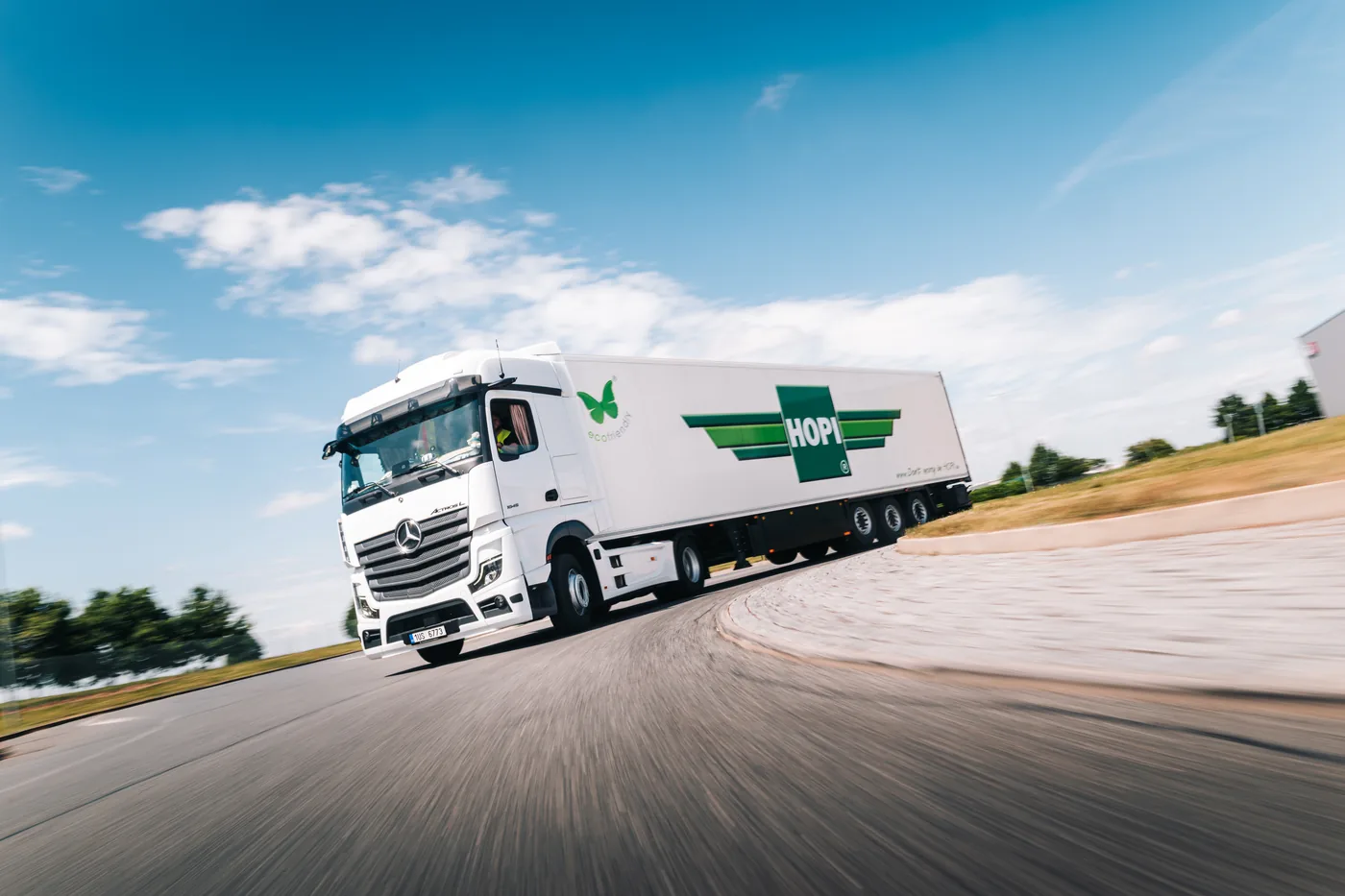
Każda przesyłka transportu drogowego zaczyna się od tego samego pytania: rezerwujesz całą ciężarówkę czy dzielisz ją z innymi? Wybór między pełnym załadunkiem (Full Truck Load, FTL) a częściowym załadunkiem (Less Than Truck Load, LTL — w Europie znanym jako PTL lub drobnica) nie sprowadza się jedynie do ceny. Wpływa na czas tranzytu, bezpieczeństwo ładunku, ślad węglowy oraz złożoność łańcucha dostaw. Błędny wybór oznacza albo przepłacanie za pustą przestrzeń w naczepie, albo dodatkowe dwa dni oczekiwania towaru w centrum konsolidacyjnym.
Transport drogowy jest dominującą gałęzią transportu w Europie, odpowiadając za około 49% całego lądowego transportu towarów oraz około 1.8 biliona tonokilometrów rocznie (Eurostat, 2022). Zrozumienie, jak działają dwa główne rodzaje usług w tym segmencie — i kiedy stosować każdy z nich — to podstawowa kompetencja każdego menedżera logistyki czy załadowcy działającego na tym kontynencie.
Czym jest FTL (Full Truck Load)?
W przesyłce FTL załadowca rezerwuje całą naczepę na wyłączność. Żaden inny ładunek nie dzieli pojazdu. Ciężarówka jest ładowana w jednym miejscu nadania, transportowana bezpośrednio (lub niemal bezpośrednio) do jednego miejsca docelowego i tam rozładowywana. Załadowca płaci stałą stawkę za trasę niezależnie od tego, w jakim stopniu naczepa jest faktycznie wykorzystana — bez względu na to, czy jest całkowicie pełna, czy załadowana jedynie w połowie.
Standardowa europejska naczepa stosowana w transporcie FTL oferuje:
- Długość ładunkowa:13.6 metra
- Szerokość wewnętrzna:2.45 metra
- Wysokość wewnętrzna:około 2.7 metra
- Pojemność:około 82–92 m³
- Maksymalna ładowność:około 24,000 kg (dopuszczalna masa całkowita zestawu (GTW) wynosi 40 ton dla standardowego zestawu 5-osiowego w większości krajów UE)
- Pojemność paletowa:około 33 palety EUR w załadunku jednowarstwowym lub do 66 przy podwójnym sztaplowaniu, jeśli pozwala na to wysokość i rodzaj produktu
Transport FTL jest wyceniany jako stała stawka za trasę. Przewóz z Pragi do Bukaresztu kosztuje w przybliżeniu tyle samo niezależnie od tego, czy naczepa przewozi 20 palet, czy 33. Oznacza to, że koszt jednostkowy zależy od tego, jak efektywnie wykorzystasz przestrzeń ładunkową.
Czym jest LTL / PTL (Less Than Truck Load)?
LTL — Less Than Truck Load — to termin stosowany w Ameryce Północnej. W europejskiej logistyce odpowiadająca mu usługa nazywana jest PTL (Part Truck Load), drobnicą lub transportem konsolidowanym. Zasada jest identyczna: przewoźnik łączy ładunki od kilku załadowców w jednej naczepie, a każdy płaci wyłącznie za zajmowaną przez swój towar przestrzeń.
Standardową jednostką miary w europejskiej wycenie LTL jest metr ładunkowy (ldm): jeden ldm odpowiada jednemu metrowi długości naczepy przy pełnej jej szerokości wynoszącej 2.4 metra. Standardowa paleta EUR (1,200 × 800 mm) zajmuje 0.4 ldm, ponieważ dwie palety mieszczą się obok siebie na szerokości naczepy wynoszącej 2.4 m.
Usługi LTL są zazwyczaj wyceniane za metr ładunkowy, za paletę lub za 100 kg — przy zastosowaniu wagi taryfowej, czyli wyższej z dwóch wartości: wagi rzeczywistej lub wagi objętościowej. Współczynnik przeliczeniowy wagi objętościowej dla transportu drogowego wynosi 333 kg/m³ (tj. 1 m³ = 333 kg wagi taryfowej).
W Europie Środkowo-Wschodniej przewoźnicy często rozróżniają standardowe LTL (małe przesyłki, zwykle 1–5 palet) oraz PTL (większe częściowe załadunki, zwykle 2–15 palet, zbyt duże dla standardowej wyceny w sieci paletowej, lecz wyraźnie mniejsze niż pełny załadunek). HOPI Global Solution obsługuje oba warianty, w tym dedykowane usługi PTL na terenie CZ, SK, HU, PL, RO, DE, HR i BG.
Kluczowe różnice w skrócie
| Czynnik | FTL (Full Truck Load) | LTL / PTL (drobnica) |
|---|---|---|
| Wykorzystanie naczepy | Wyłączne — jeden załadowca | Współdzielone — wielu załadowców |
| Podstawa wyceny | Stała stawka za trasę | Za ldm / paletę / 100 kg |
| Czas tranzytu | Bezpośrednio, szybciej | Przez centrum konsolidacyjne, +1–3 dni |
| Przeładunek | Jeden załadunek, jeden rozładunek | Wielokrotny przeładunek cross-dock |
| Typowy ładunek | 12+ palet EUR lub 5+ ldm | 1–12 palet EUR lub 0.4–5 ldm |
| Bezpieczeństwo ładunku | Niższe ryzyko związane z przeładunkiem | Wyższe ryzyko związane z przeładunkiem |
| Elastyczność | Indywidualne okno załadunku | Stałe harmonogramy odbioru w centrum |
| ADR / towary niebezpieczne | Zasadniczo akceptowane | Obowiązują ograniczenia (zasady współładowania) |
| Kontrola temperatury | Pełna kontrola nad chłodnią | Możliwa, wyższe ryzyko związane z przeładunkiem |
| Efektywność emisji CO₂ | Najlepsza przy pełnym załadunku naczepy | Dobra przy konsolidacji małych ładunków |
Metry ładunkowe i ładowność — jak to działa
Metry ładunkowe to uniwersalny język wyceny transportu drogowego w Europie. Aby przeliczyć swoją przesyłkę:
- 1 paleta EUR (1,200 × 800 mm) =0.4 ldm(dwie palety obok siebie)
- 1 paleta przemysłowa (1,200 × 1,000 mm) =0.5 ldm
- Standardowa naczepa 13.6 m ma33.5 ldmłącznie
- 10 palet EUR = 4 ldm; 20 palet EUR = 8 ldm; 33 palety EUR = 13.2 ldm (pełny załadunek)
Wysokość również ma znaczenie. Gdy towar można sztaplować (palety załadowane w dwóch warstwach), efektywna pojemność naczepy w przybliżeniu się podwaja. Wysokość wewnętrzna 2.7 m umożliwia podwójne sztaplowanie większości standardowych, załadowanych palet o wysokości 1.45 m. Wiele rodzajów towarów (towary delikatne, ciecze, ponadgabarytowe) nie może być jednak sztaplowanych, dlatego płaci się wyłącznie za powierzchnię podłogową.
Wysyłasz 10 palet EUR, każda o wysokości 80 cm i wadze 200 kg. Waga rzeczywista: 2,000 kg. Objętość: 10 × (1.2 × 0.8 × 0.8) = 7.68 m³. Waga objętościowa: 7.68 × 333 = 2,558 kg. Waga taryfowa = 2,558 kg (waga objętościowa jest wyższa). W tym przypadku przewoźnik fakturuje na podstawie wagi objętościowej.
Punkt opłacalności — kiedy FTL jest tańszy niż LTL?
Ogólna zasada w europejskim transporcie drogowym mówi, że FTL staje się konkurencyjny cenowo przy około 10–12 paletach EUR (4–5 ldm). Powyżej tego progu koszt jednostkowy rezerwacji FTL zazwyczaj spada poniżej skumulowanej stawki LTL dla tej samej przesyłki.
Dokładny punkt przecięcia zależy od trzech zmiennych:
- Długość trasy:Na dłuższych trasach międzynarodowych (np. CZ–RO, PL–HU) koszty stałe FTL rozkładają się na większą wartość, dzięki czemu punkt przecięcia może przesunąć się nawet do 8–9 palet.
- Stawki rynkowe LTL:W okresach szczytowych (Q4, żniwa) stawki spotowe LTL rosną szybciej niż FTL, co dodatkowo obniża punkt przecięcia.
- Wartość czasu tranzytu:Jeśli Twój towar jest wrażliwy na czas, opóźnienie LTL o 1–3 dni może generować własne koszty — utracone sloty produkcyjne, koszty utrzymania zapasów — co przechyla bilans ekonomiczny na korzyść FTL nawet przy mniejszych ładunkach.
Praktyczna wskazówka: jeśli wycena LTL przekracza 70–75% wyceny FTL na tej samej trasie, warto poprosić o obie opcje i porównać całkowity koszt dostawy, uwzględniając ewentualne koszty opóźnienia.
Różnice w czasie tranzytu
FTL to transport bezpośredni, punkt-punkt. Ten sam kierowca (lub zespół zmienników w przypadku dalekich tras) odbiera towar w miejscu nadania i dostarcza go do miejsca docelowego bez pośredniego przeładunku cross-dock. Zgodnie z unijnymi przepisami dotyczącymi czasu pracy kierowców, trasa CZ–HU realizowana jest w mniej niż 24 godziny, a CZ–RO w 36–48 godzin.
LTL/PTL wydłuża czas obsługi. Towar przemieszcza się z miejsca nadania do centrum konsolidacyjnego, gdzie jest sortowany i ładowany na naczepę liniową kierującą się w stronę regionu docelowego. Na końcu trasy jest ponownie sortowany i ładowany na pojazd dostawczy. Ten model węzłowo-promienisty (hub-and-spoke) zwykle wydłuża czas dostawy o od jednego do trzech dni roboczych w porównaniu z bezpośrednim FTL — a jeszcze bardziej, jeśli w grę wchodzi odprawa celna lub centrum obsługuje daną trasę z ograniczoną częstotliwością.
W przypadku dostaw krytycznych — łańcuchów dostaw JIT w motoryzacji, uzupełniania zapasów farmaceutycznych, transportu na targi — nawet jeden dodatkowy dzień może być nie do zaakceptowania. Jedyną realną opcją jest wówczas FTL lub dedykowany PTL z bezpośrednim przewozem liniowym.
Kiedy FTL jest właściwym wyborem
- Duże wolumeny (12+ palet EUR lub 5+ ldm).Przy takiej skali koszt jednostkowy FTL jest niemal zawsze niższy niż LTL, a dodatkowo zyskujesz na szybkości i niezawodności.
- Dostawa krytyczna czasowo.Bezpośrednia trasa eliminuje opóźnienia związane z centrami konsolidacyjnymi. Niezbędne dla łańcuchów dostaw JIT w motoryzacji, uzupełniania zapasów detalicznych w stałych oknach dostaw oraz pilnych ładunków projektowych.
- Ładunki o wysokiej wartości.Mniejsza liczba przeładunków oznacza niższe ryzyko kradzieży i uszkodzenia. Elektronika, dobra luksusowe i sprzęt precyzyjny zyskują na jednorazowym załadunku FTL.
- Transport w kontrolowanej temperaturze (chłodniczy).Masz pełną kontrolę nad profilem temperatury w całej naczepie od załadunku po dostawę. Transport chłodniczy LTL wiąże się z dodatkowymi przeładunkami, które zwiększają ryzyko wahań temperatury — kluczowe znaczenie ma to dla świeżych produktów, farmaceutyków i nabiału.
- Towary niebezpieczne (ADR).Zasady współładowania określone w przepisach ADR ograniczają, które klasy towarów niebezpiecznych mogą znajdować się w jednej naczepie. FTL eliminuje tę złożoność; wielu przewoźników LTL po prostu odmawia przyjęcia ładunków ADR.
- Ładunki ponadgabarytowe lub niesztaplowalne.Jeśli Twój towar zajmuje całą powierzchnię podłogową niezależnie od objętości, faktycznie płacisz już za odpowiednik FTL — równie dobrze możesz zarezerwować pełny załadunek i w pełni wykorzystać jego pojemność.
- Efektywność emisyjna przy pełnej naczepie.W pełni załadowany FTL generuje najniższą emisję CO₂ na paletokilometr spośród wszystkich opcji transportu drogowego. Ma to znaczenie, jeśli Twoje raportowanie ESG obejmuje emisje Scope 3.
Kiedy LTL / PTL ma większy sens
- Małe lub nieregularne przesyłki (1–10 palet).Płacenie za całą naczepę w celu przewiezienia 3 palet jest ekonomicznie nieuzasadnione, chyba że czas jest nadrzędnym ograniczeniem.
- Elastyczne okna dostawy.Jeśli miejsce docelowe może przyjąć towar w oknie czasowym 2–3 dni, harmonogram centrum LTL nie generuje istotnych dodatkowych kosztów.
- Częste, mniejsze uzupełnienia zapasów.Detaliści i dystrybutorzy prowadzący ciągłe uzupełnianie zapasów często wolą cotygodniowe przesyłki LTL niż utrzymywanie zapasów w oczekiwaniu na pełny załadunek.
- Standardowe towary paczkowane, niskie ryzyko przeładunkowe.Towary trwałe na standardowych paletach EUR dobrze znoszą przeładunek cross-dock. Jeśli Twój towar jest wytrzymały i niewrażliwy na czas, LTL jest wyborem efektywnym kosztowo.
- Przesyłki z ograniczonym budżetem.LTL jest niemal zawsze tańszy w przeliczeniu na przesyłkę dla ładunków poniżej punktu opłacalności, pod warunkiem że czas tranzytu jest akceptowalny.
- Efektywność emisyjna przy konsolidacji.Dobrze skonsolidowana naczepa LTL przewożąca wiele małych przesyłek generuje mniej łącznej emisji CO₂ niż kilka odrębnych przewozów FTL. LTL jest bardziej ekologiczną opcją, gdy alternatywą byłaby w połowie pusta dedykowana ciężarówka.
Towary w kontrolowanej temperaturze i towary niebezpieczne — szczególne aspekty
Transport chłodniczy (w kontrolowanej temperaturze) zasługuje na osobną uwagę. Rezerwacja chłodni FTL daje pełną kontrolę: naczepa jest ustawiona na wymagany zakres temperatury (zazwyczaj od -25°C do +25°C), a profil temperaturowy jest utrzymywany bez przerw od odbioru po dostawę. Dla świeżych produktów, nabiału, mięsa, ryb, farmaceutyków i niektórych chemikaliów nie jest to opcja — to wymóg regulacyjny i komercyjny.
Transport chłodniczy LTL jest technicznie możliwy, ale operacyjnie złożony. Każdy przeładunek w centrum niesie ryzyko wahania temperatury. Niektórzy przewoźnicy prowadzą sieci drobnicowe w kontrolowanej temperaturze — głównie dla pakowanych produktów mrożonych lub schłodzonych, tolerujących krótkotrwałą ekspozycję na temperaturę otoczenia — jednak warunki należy zweryfikować z przewoźnikiem przed rezerwacją. W przypadku ładunków farmaceutycznych podlegających wytycznym GDP (Good Distribution Practice), transport chłodniczy LTL zazwyczaj nie spełnia wymogów, chyba że cały łańcuch dostaw posiada odpowiednią kwalifikację.
W przypadku ADR (towarów niebezpiecznych podlegających Europejskiej umowie dotyczącej międzynarodowego przewozu drogowego towarów niebezpiecznych): przepisy ADR klasyfikują towary niebezpieczne na klasy (materiały wybuchowe, gazy, materiały łatwopalne, żrące itd.) i określają, które klasy mogą, a które nie mogą być współładowane. W przypadku FTL kontrolujesz cały manifest ładunkowy. W kontekście LTL przewoźnik musi zarządzać ograniczeniami współładowania dla wszystkich przesyłek — wielu przewoźników po prostu wyklucza określone klasy ADR ze swojej sieci drobnicowej. Jeśli Twój towar posiada klasyfikację ADR, potwierdź jego akceptację oraz ewentualne dopłaty z przewoźnikiem już na etapie wyceny, a nie przy rampie załadunkowej.
Praktyczny model decyzyjny
Stosuj to podejście krok po kroku przy każdej rezerwacji transportu drogowego:
Pomnóż liczbę palet EUR przez 0.4. Jeśli wynik jest poniżej 4 ldm (około 10 palet), zacznij od wyceny LTL. Powyżej 5 ldm poproś również o wycenę FTL.
Jeśli odbiorca ma sztywno wyznaczony slot dostawy lub termin związany z linią produkcyjną, czy LTL jest w stanie go wiarygodnie dotrzymać? Dodaj 1–3 dni do najszybszego szacowanego czasu LTL na danej trasie. Jeśli odpowiedź brzmi „nie”, wybierz FTL.
Towary o wysokiej wartości, delikatne, wymagające kontroli temperatury lub sklasyfikowane jako ADR przemawiają za FTL. Dla wytrzymałych, standardowo paletyzowanych towarów bez szczególnych wymagań LTL jest bezpiecznym wyborem.
Uwzględnij koszt ewentualnego bufora zapasów potrzebnego na pokrycie opóźnienia LTL, różnice w składkach ubezpieczeniowych oraz koszt potencjalnej reklamacji w przypadku uszkodzenia towaru podczas przeładunku LTL.
W tym przedziale bilans ekonomiczny może wypaść różnie, w zależności od trasy, sezonu i przewoźnika. Rzetelny spedytor powinien przejrzyście przedstawić obie opcje.
Jeśli Twoja firma śledzi emisje Scope 3, poproś przewoźnika o szacunkowe wartości CO₂ dla obu opcji. Pełny FTL jest lepszy niż w połowie pusta ciężarówka; dobrze skonsolidowany LTL jest lepszy niż niemal pusty FTL.
Podsumowanie
Decyzja między FTL a LTL nie jest uniwersalną regułą. To kalkulacja, która zmienia się przy każdej przesyłce: liczba palet, długość trasy, rodzaj ładunku, pilność dostawy oraz całkowity koszt logistyki — a nie tylko pozycja na fakturze za fracht.
Zgodnie z ogólną zasadą, ładunki powyżej 10–12 palet EUR na trasie bezpośredniej niemal zawsze powinny być realizowane jako FTL. Ładunki poniżej tego progu, na trasach z ugruntowanymi sieciami drobnicowymi i elastycznymi oknami dostawy, powinny trafiać do LTL lub PTL. Pomiędzy tymi granicami warto policzyć konkretne liczby.
HOPI Global Solution realizuje usługi FTL, PTL i LTL w całej Europie Środkowo-Wschodniej — CZ, SK, HU, PL, RO, DE, HR i BG — z bezpośrednimi połączeniami liniowymi oraz pojemnością w kontrolowanej temperaturze. Jeśli rozważasz opcje dla nadchodzącej przesyłki, nasz zespół może zamodelować oba scenariusze i przedstawić przejrzyste porównanie kosztów.
Nie jesteś pewien, która opcja pasuje do Twojej przesyłki?
Prześlij nam szczegóły — liczbę palet, trasę, harmonogram — a przygotujemy dla Ciebie wycenę FTL i LTL do porównania.
- Eurostat (2023).Road freight transport statistics. Komisja Europejska.ec.europa.eu/eurostat
- Eurostat (2023).Modal split of freight transport— transport lądowy. Rok referencyjny danych: 2022. Komisja Europejska.
- International Road Transport Union (IRU).World Road Statistics. Genewa: IRU, 2023.
- Komisja Europejska (2021).Agreement concerning the International Carriage of Dangerous Goods by Road (ADR), z późniejszymi zmianami z 2023 r. UNECE.
- Komisja Europejska (2014).EU Regulation on Good Distribution Practice (GDP) for medicinal products for human use. 2013/C 343/01.