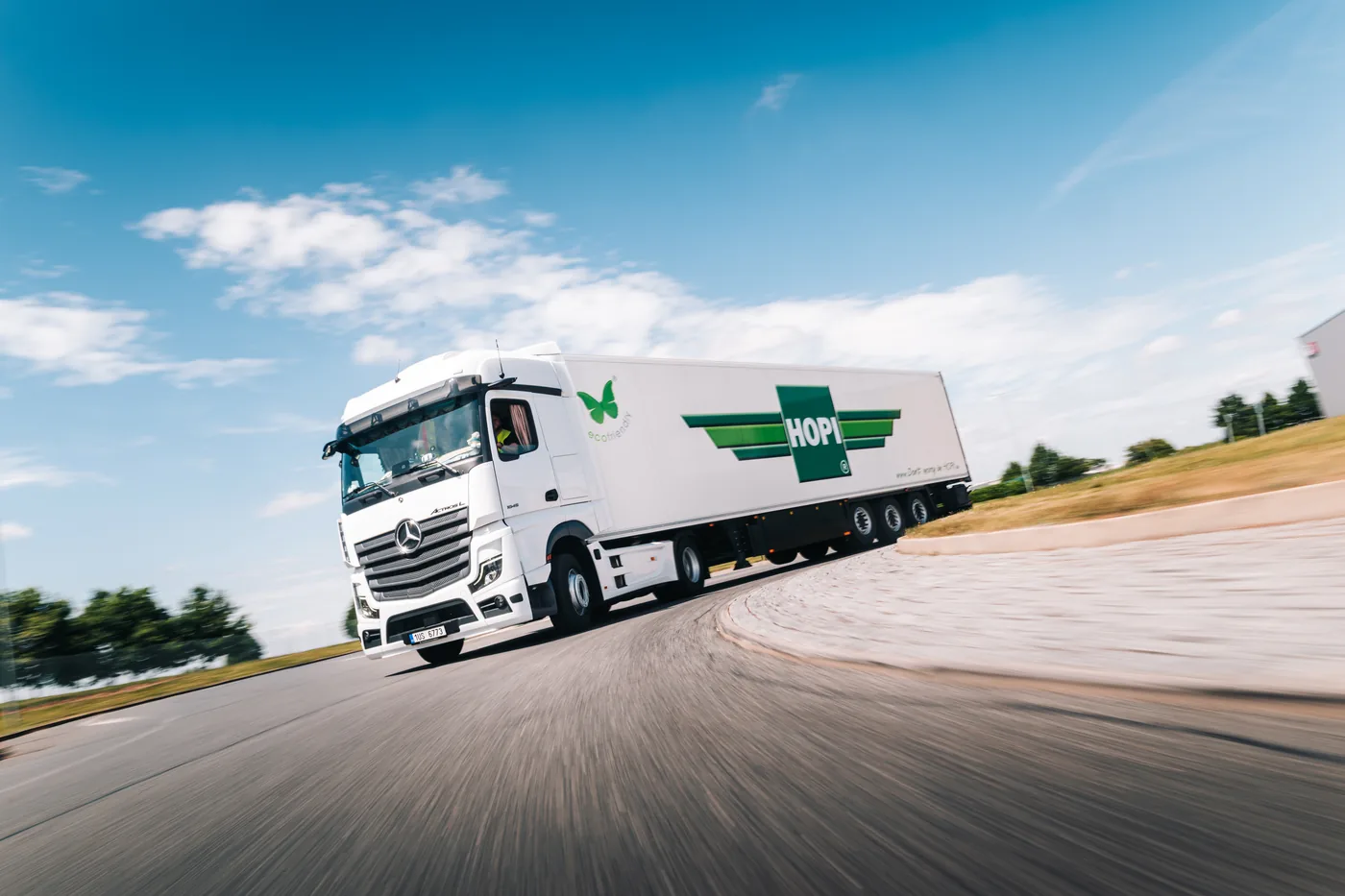
Minden közúti fuvarszállítmány ugyanazzal a kérdéssel kezdődik: teljes kamiont foglal, vagy megosztja egy másikkal? A teljes kamionrakomány (FTL) és a részrakomány (LTL – Európában PTL vagy gyűjtőfuvarozás néven ismert) közötti választás nem egyszerűen árkérdés. Befolyásolja a futási időt, az áru biztonságát, a szén-dioxid-lábnyomot és az ellátási lánc összetettségét. Ha rosszul dönt, vagy üres pótkocsi-térért fizet túl, vagy két plusz napig figyelheti, ahogy az áruja egy konszolidációs központban vár.
A közúti fuvarozás Európában a domináns fuvarozási mód, amely a teljes belföldi árufuvarozás mintegy 49%-át teszi ki, és évente nagyjából 1,8 billió tonnakilométert jelent (Eurostat, 2022). Annak megértése, hogy a két fő szolgáltatástípus hogyan működik – és mikor melyiket érdemes alkalmazni –, alapvető kompetencia minden, a kontinensen működő logisztikai vezető vagy feladó számára.
Mi az FTL (Full Truck Load, teljes kamionrakomány)?
Egy FTL szállítmány esetén a feladó kizárólagosan lefoglalja a teljes pótkocsit. Más áru nem osztozik a járművön. A kamiont egyetlen indulási helyen rakják meg, közvetlenül (vagy majdnem közvetlenül) egyetlen célállomásra szállítják, majd ott kirakodják. A feladó fix díjat fizet az útvonalért, függetlenül attól, hogy ténylegesen mennyit használnak ki a pótkocsiból – legyen az teljesen tele vagy csak félig megrakva.
Az FTL-hez használt szabványos európai nyerges pótkocsi jellemzői:
- Rakodási hossz:13,6 méter
- Belső szélesség:2,45 méter
- Belső magasság:megközelítőleg 2,7 méter
- Térfogatkapacitás:megközelítőleg 82–92 m³
- Maximális hasznos teher:megközelítőleg 24 000 kg (a legtöbb EU-tagállamban egy szabványos 5 tengelyes kombináció megengedett össztömege 40 tonna GTW)
- Raklapkapacitás:megközelítőleg 33 EUR-raklap egy szinten, vagy akár 66 dupla rakásban, ahol a magasság és a terméktípus lehetővé teszi
Az FTL fix díjazású útvonalanként. A Prágából Bukarestbe vezető útvonal nagyjából ugyanannyiba kerül, akár 20, akár 33 raklapot szállít a pótkocsi. Ez az egységköltséget azzá teszi, hogy mennyire hatékonyan tölti fel a kamiont.
Mi az LTL / PTL (részrakomány)?
Az LTL – Less Than Truck Load – az észak-amerikai megnevezés. Az európai logisztikában az ennek megfelelő szolgáltatást PTL (Part Truck Load, részrakomány), gyűjtőfuvarozás vagy konszolidált fuvarozás néven ismerik. A koncepció azonos: a fuvarozó több feladó áruját egyesíti egyetlen pótkocsiban, és mindenki csak az áruja által elfoglalt helyért fizet.
Az európai LTL árazásban a szabványos mértékegység a raktméter (ldm): egy raktméter a pótkocsi teljes, 2,4 méteres szélességében egy méter hosszúságnak felel meg. Egy szabványos EUR-raklap (1200 × 800 mm) 0,4 ldm-et foglal el, mivel két raklap egymás mellett elfér a 2,4 m széles pótkocsiban.
Az LTL árazása jellemzően raktméterenként, raklaponként vagy 100 kg-onként történik – a fuvarozási súly alapján, amely a tényleges súly és a térfogatsúly közül a magasabb érték. A közúti fuvarozásban a térfogatsúly átváltási tényezője 333 kg/m³ (azaz 1 m³ = 333 kg fuvarozási súly).
Közép- és Kelet-Európában a fuvarozók gyakran különbséget tesznek a szabványos LTL (kisebb szállítmányok, jellemzően 1–5 raklap) és a PTL (nagyobb részrakományok, jellemzően 2–15 raklap, amelyek túl nagyok a szabványos raklaphálózati árazáshoz, de még jóval a teljes kamionrakomány alatt maradnak) között. A HOPI Global Solution mindkettőt kezeli, beleértve a dedikált PTL-szolgáltatásokat is a CZ, SK, HU, PL, RO, DE, HR és BG piacokon.
A legfontosabb különbségek áttekintése
| Szempont | FTL (teljes kamionrakomány) | LTL / PTL (gyűjtőfuvarozás) |
|---|---|---|
| Pótkocsi kihasználtsága | Kizárólagos – egyetlen feladó | Megosztott – több feladó |
| Árazás alapja | Fix díj útvonalanként | Ldm / raklap / 100 kg alapján |
| Futási idő | Ponttól pontig, gyorsabb | Konszolidációs központon keresztül, +1–3 nap |
| Rakodás / kezelés | Egyszeri berakodás, egyszeri kirakodás | Több átrakodási pont |
| Jellemző rakomány | 12+ EUR-raklap vagy 5+ ldm | 1–12 EUR-raklap vagy 0,4–5 ldm |
| Áru biztonsága | Alacsonyabb rakodási kockázat | Magasabb rakodási kockázat |
| Rugalmasság | Egyedi berakodási időablak | Fix központi begyűjtési menetrend |
| ADR / veszélyes áru | Általában elfogadott | Korlátozások érvényesek (együttrakodási szabályok) |
| Hőmérséklet-szabályozás | Teljes körű hűtőkontroll | Lehetséges, magasabb rakodási kockázattal |
| CO₂-hatékonyság | Legjobb teljesen kihasznált pótkocsi esetén | Jó kis rakományok konszolidálásakor |
A raktméterek és a kapacitás megértése
A raktméter az európai közúti fuvarozási árazás közös nyelve. Szállítmánya átszámításához:
- 1 EUR-raklap (1200 × 800 mm) =0,4 ldm(két raklap fér el egymás mellett)
- 1 ipari raklap (1200 × 1000 mm) =0,5 ldm
- Egy szabványos 13,6 m-es pótkocsi kapacitása33,5 ldmösszesen
- 10 EUR-raklap = 4 ldm; 20 EUR-raklap = 8 ldm; 33 EUR-raklap = 13,2 ldm (teljes kamion)
A magasság is számít. Ha az áru dupla rakásban szállítható (a raklapok két réteg magasan vannak megrakva), a pótkocsi effektív térfogata nagyjából megduplázódik. A 2,7 m-es belső magasság a legtöbb szabványos, 1,45 m magasan megrakott raklapot befogadja dupla rakásban. Sok terméktípus esetében (törékeny áru, folyadékok, túlméretes áruk) azonban nem lehetséges a rakásolás, így csak az egyszintes berakodásért kell fizetni.
10 EUR-raklapot szállít, mindegyik 80 cm magas, 200 kg súlyú. Tényleges súly: 2000 kg. Térfogat: 10 × (1,2 × 0,8 × 0,8) = 7,68 m³. Térfogatsúly: 7,68 × 333 = 2558 kg. Fuvarozási súly = 2558 kg (a térfogatsúly a magasabb). Ebben az esetben a fuvarozó a térfogatsúly alapján számláz.
A fedezeti pont – mikor éri meg jobban árban az FTL, mint az LTL?
Az európai közúti fuvarozásban az ökölszabály szerint az FTL megközelítőleg 10–12 EUR-raklaptól (4–5 ldm) válik költséghatékonnyá. E küszöb felett az FTL-foglalás egységköltsége jellemzően az azonos szállítmányra vonatkozó összesített LTL-díj alá esik.
A pontos váltásponti érték három tényezőtől függ:
- Útvonal hossza:Hosszabb nemzetközi útvonalakon (pl. CZ–RO, PL–HU) az FTL fix költségei nagyobb értéken oszlanak meg, így a váltáspont akár 8–9 raklapra is lecsökkenhet.
- LTL piaci díjak:Csúcsidőszakokban (Q4, mezőgazdasági betakarítás) az LTL spot díjak gyorsabban emelkednek, mint az FTL díjak, ami tovább csökkenti a váltáspontot.
- A futási idő értéke:Ha az áru időérzékeny, az LTL 1–3 napos késése önmagában is költséggel járhat – elmulasztott gyártási időpontok, készlettartási költségek –, ami már kisebb rakományok esetén is az FTL felé billentheti a gazdaságosságot.
Egy gyakorlati ökölszabály: ha az LTL ajánlata meghaladja az adott útvonalra vonatkozó FTL ajánlat 70–75%-át, kérjen mindkét opcióra árajánlatot, és hasonlítsa össze a teljes leszállítási költséget, beleértve az esetleges késedelmi költségeket is.
Futási idő különbségek
Az FTL ponttól pontig tartó fuvarozás. Ugyanaz a sofőr (hosszú távú fuvarnál váltócsapat) veszi fel az árut az indulási helyen, és szállítja a célállomásra köztes átrakodás nélkül. Az EU vezetési idő szabályozásának megfelelően egy CZ–HU fuvar 24 órán belül teljesül; a CZ–RO 36–48 óra alatt.
Az LTL/PTL rakodási időt ad hozzá. Az áru az indulási telephelyről egy konszolidációs központba kerül, ahol szétválogatják, majd a célrégió felé tartó gyűjtőjáratú pótkocsira rakodják. A célterületen ismét szétválogatják, és kiszállító járműre rakodják. Ez a huband-spoke (küllős) modell jellemzően egy-három munkanapot ad hozzá a közvetlen FTL-hez képest – többet, ha vámkezelés is szükséges, vagy ha a központ ritkábban indít járatot az adott útvonalon.
Kritikus szállítások esetén – autóipari JIT ellátási láncok, gyógyszeripari utánpótlás, kiállítási szállítmányok – akár egyetlen plusz nap is elfogadhatatlan lehet. Ilyenkor az egyetlen életképes megoldás az FTL vagy egy közvetlen gyűjtőjáratú dedikált PTL.
Mikor az FTL a helyes választás
- Nagy mennyiségek (12+ EUR-raklap vagy 5+ ldm).Ilyen nagyságrendben az FTL egységköltsége szinte mindig alacsonyabb, mint az LTL-é, és emellett gyorsaságot és megbízhatóságot is nyer.
- Időkritikus szállítás.A közvetlen útvonal kiküszöböli a központi késéseket. Nélkülözhetetlen a JIT autóipari ellátási láncok, a fix szállítási időablakkal rendelkező kiskereskedelmi utánpótlás és a sürgős projektáruk esetén.
- Magas értékű áru.A kevesebb rakodási esemény alacsonyabb lopási és károsodási kockázatot jelent. Az elektronikai cikkek, luxustermékek és precíziós berendezések profitálnak az egyrakományos FTL-ből.
- Hőmérséklet-szabályozott (hűtött) fuvarozás.Így Ön szabályozza a teljes pótkocsi hőmérsékleti profilját a berakodástól a kiszállításig. Az LTL hűtött fuvarozás olyan rakodási eseményeket ad hozzá, amelyek hőmérséklet-ingadozási kockázatot hordoznak – ez kritikus a friss termékek, gyógyszerek és tejtermékek esetében.
- Veszélyes áruk (ADR).Az ADR-szabályozás együttrakodási szabályai korlátozzák, hogy mely veszélyesáru-osztályok oszthatnak meg egy pótkocsit. Az FTL kiküszöböli ezt az összetettséget; sok LTL-fuvarozó egyenesen elutasítja az ADR-árukat.
- Túlméretes vagy nem rakásolható áru.Ha az áru a térfogattól függetlenül a teljes rakfelületet elfoglalja, akkor Ön amúgy is FTL-nek megfelelő díjat fizet – érdemesebb tehát egyenesen FTL-t foglalni, és a kapacitást teljes mértékben kihasználni.
- Szén-dioxid-hatékonyság teljesen kihasznált pótkocsival.Egy teljesen megrakott FTL termeli a legkevesebb CO₂-t raklap-kilométerenként az összes közúti fuvarozási opció közül. Ha az ESG-jelentése tartalmazza a scope 3 kibocsátást, ez számít.
Mikor van értelme inkább az LTL / PTL-nek
- Kis vagy szabálytalan szállítmányok (1–10 raklap).Egy teljes pótkocsiért fizetni 3 raklap mozgatásáért gazdaságilag irracionális, hacsak az idő nem a meghatározó szempont.
- Rugalmas szállítási időablakok.Ha a célállomás 2–3 napos időablakon belül képes fogadni az árut, az LTL központi menetrendje nem jelent érdemi többletköltséget.
- Gyakori, kisebb utánpótlások.A folyamatos utánpótlást futtató kiskereskedők és forgalmazók gyakran előnyben részesítik a heti LTL-szállítmányokat azzal szemben, hogy készletet tartsanak, amíg összegyűlik egy teljes kamionrakomány.
- Szabványosan csomagolt áru, alacsony rakodási kockázat.A szabványos EUR-raklapokon szállított tartós áruk jól bírják az átrakodást. Ha az áru strapabíró és nem időérzékeny, az LTL a költséghatékony választás.
- Korlátozott költségvetésű szállítmányok.A fedezeti pont alatti rakományok esetén az LTL szállítmányonként szinte mindig olcsóbb, feltéve, hogy a futási idő elfogadható.
- Szén-dioxid-hatékonyság konszolidáció esetén.Egy jól konszolidált LTL-pótkocsi, amely több kisebb szállítmányt mozgat, kevesebb összesített CO₂-t termel, mint több önálló FTL-fuvar. Az LTL a zöldebb választás, ha az alternatíva egy félig üres dedikált kamion.
Hőmérséklet-szabályozott és veszélyes áruk – különleges szempontok
A hűtött (hőmérséklet-szabályozott) fuvarozás külön figyelmet érdemel. Egy FTL hűtött fuvar foglalása teljes körű kontrollt biztosít: a pótkocsi a kívánt hőmérséklet-tartományra (jellemzően -25°C és +25°C között) van beállítva, és a profil megszakítás nélkül fenntartható a felvételtől a kiszállításig. Friss termékek, tejtermékek, hús, hal, gyógyszerek és bizonyos vegyi anyagok esetében ez nem opcionális – szabályozási és kereskedelmi követelmény.
Az LTL hűtött fuvarozás technikailag lehetséges, de operatívan összetett. Minden központi átrakás hőmérséklet-ingadozási kockázatot jelent. Egyes fuvarozók üzemeltetnek hőmérséklet-szabályozott gyűjtőhálózatokat – elsősorban olyan csomagolt fagyasztott vagy hűtött termékekhez, amelyek rövid ideig elviselik a környezeti hőmérsékletet –, de a feltételeket foglalás előtt egyeztetni kell a fuvarozóval. A GDP (Good Distribution Practice) irányelvek hatálya alá tartozó gyógyszeripari áruk esetében az LTL hűtött fuvarozás általában nem felel meg, hacsak a teljes lánc nem minősített.
Az ADR (a Veszélyes Áruk Nemzetközi Közúti Szállításáról szóló Európai Megállapodás hatálya alá tartozó veszélyes áruk) tekintetében: az ADR-szabályozás osztályokba sorolja a veszélyes árukat (robbanóanyagok, gázok, gyúlékony anyagok, maró anyagok stb.), és meghatározza, mely osztályok rakodhatók együtt, és melyek nem. FTL esetén Ön szabályozza a rakományjegyzéket. LTL esetén a fuvarozónak az összes szállítmányra vonatkozóan kell kezelnie az együttrakodási korlátozásokat – sok fuvarozó egyszerűen kizár bizonyos ADR-osztályokat a gyűjtőhálózatából. Ha az áru ADR-besorolással rendelkezik, az elfogadást és az esetleges felárakat már az árajánlat-kérés szakaszában egyeztesse a fuvarozóval, ne a rakodóhelyen.
Gyakorlati döntési keretrendszer
Minden közúti fuvarfoglalásnál alkalmazza ezt a lépésről lépésre haladó megközelítést:
Szorozza meg az EUR-raklapok számát 0,4-del. Ha az eredmény 4 ldm alatt van (nagyjából 10 raklap), kezdje az LTL árazással. 5 ldm felett kérjen FTL ajánlatot is.
Ha a címzettnek fix foglalási időpontja vagy gyártósori határideje van, az LTL megbízhatóan tudja-e tartani? Adjon hozzá 1–3 napot az adott útvonalra vonatkozó leggyorsabb LTL becsléshez. Ha a válasz nem, válassza az FTL-t.
A magas értékű, törékeny, hőmérséklet-szabályozott vagy ADR-besorolású áruk mind az FTL-t részesítik előnyben. Strapabíró, szabványosan raklapozott, különleges igény nélküli áruk esetén az LTL biztonságos választás.
Vegye figyelembe az LTL-késedelem fedezésére szükséges készletpuffer költségét, a biztosítási díjak közötti különbséget, valamint egy esetleges kárigény költségét, ha az LTL rakodás során az áru megsérül.
Ebben a tartományban a gazdaságosság az útvonaltól, az évszaktól és a fuvarozótól függően bármelyik irányba billenhet. Egy megbízható szállítmányozónak átláthatóan kell bemutatnia mindkét opciót.
Ha vállalata nyomon követi a scope 3 kibocsátást, kérjen CO₂-becslést a szállítmányozójától mindkét opcióra. Egy teljesen megrakott FTL jobb, mint egy félig üres kamion; egy jól konszolidált LTL pedig jobb, mint egy majdnem üres FTL.
Összegzés
Az FTL vs LTL döntés nem egy mindenkire érvényes szabály. Olyan számítás, amely minden szállítmánynál változik: raklapszám, útvonalhossz, árutípus, szállítási sürgősség és a teljes logisztikai költség – nem csupán a fuvarszámla tétele.
Ökölszabályként a 10–12 EUR-raklap feletti rakományok közvetlen útvonalon szinte mindig FTL-be tartoznak. Az e küszöb alatti rakományok, kiépült gyűjtőhálózattal és rugalmas szállítási időablakkal rendelkező útvonalakon, LTL-be vagy PTL-be valók. E két határ között érdemes elvégezni a számítást.
A HOPI Global Solution FTL, PTL és LTL szolgáltatásokat működtet Közép- és Kelet-Európában – CZ, SK, HU, PL, RO, DE, HR és BG piacokon –, közvetlen gyűjtőjáratú összeköttetésekkel és hőmérséklet-szabályozott kapacitással. Ha egy közelgő szállítmány opcióit mérlegeli, csapatunk mindkét forgatókönyvet meg tudja modellezni, és átlátható költségösszehasonlítást tud adni.
Nem biztos benne, melyik megoldás illik a szállítmányához?
Küldje el nekünk a részleteket – raklapszám, útvonal, időzítés –, és mi egymás mellett adunk árajánlatot az FTL-re és az LTL-re.
- Eurostat (2023).Road freight transport statistics. Európai Bizottság.ec.europa.eu/eurostat
- Eurostat (2023).Modal split of freight transport– belföldi fuvarozás. Referencia-adatév: 2022. Európai Bizottság.
- Nemzetközi Közúti Fuvarozási Unió (IRU).World Road Statistics. Genf: IRU, 2023.
- Európai Bizottság (2021).Veszélyes Áruk Nemzetközi Közúti Szállításáról szóló Európai Megállapodás (ADR), 2023-as módosítással. UNECE.
- Európai Bizottság (2014).EU iránymutatás az emberi felhasználásra szánt gyógyszerek helyes forgalmazási gyakorlatáról (GDP). 2013/C 343/01.