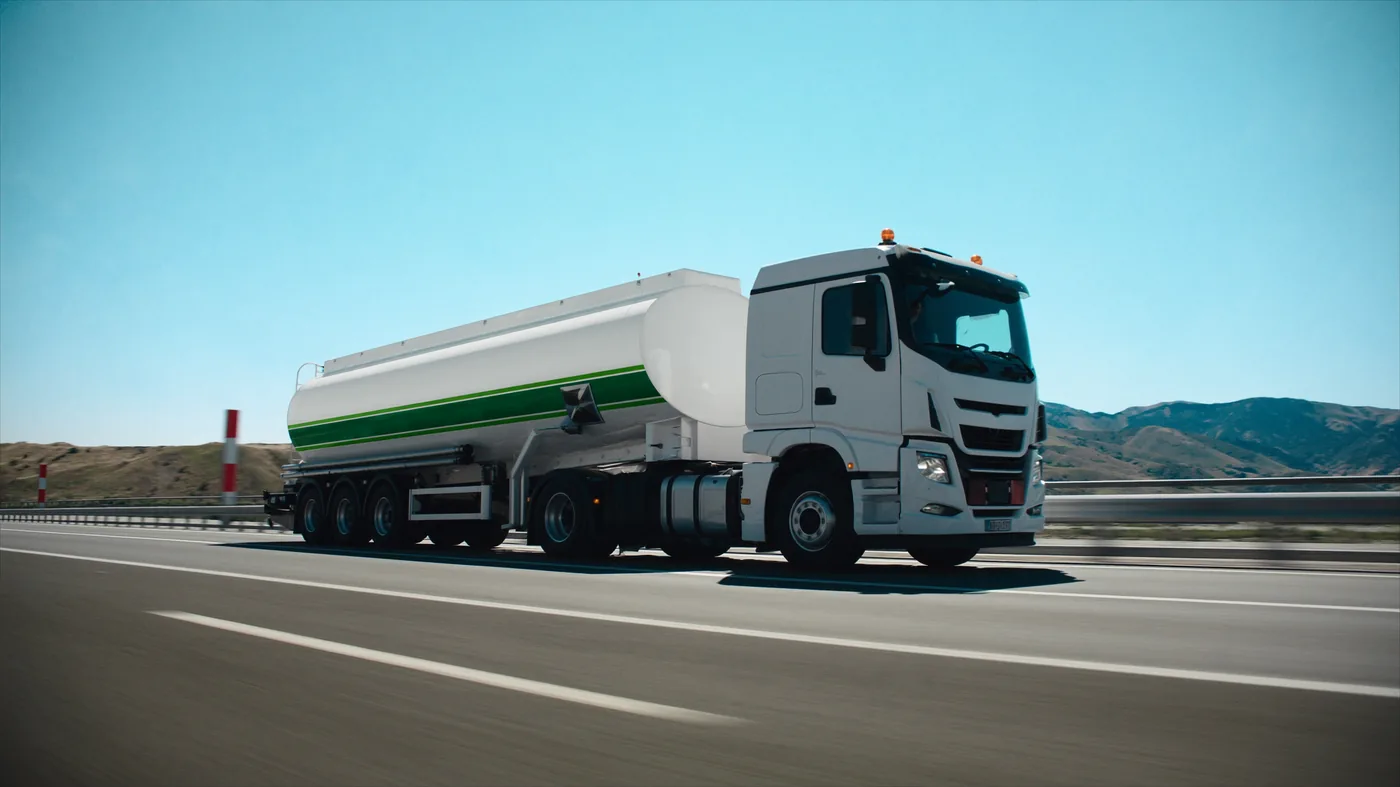
Svake se godine cestama Europe preveze na stotine milijuna tona opasnih tvari. Industrijska otapala koja putuju iz češkog pogona do rumunjske tvornice, boce s komprimiranim plinom koje prelaze poljsku granicu, ljepila i boje koje kruže između distribucijskih centara u Njemačkoj i Mađarskoj — sve te pošiljke podliježu ADR-u, međunarodnom sporazumu koji propisuje pravila za cestovni prijevoz opasnih tvari. Za pošiljatelje razumijevanje ADR-a nije opcionalno. Kazne za nepoštivanje propisa kreću se od novčanih kazni i zapljene tereta do kaznene odgovornosti u slučaju incidenta.
Ovaj vodič sažima ključne informacije koje su vam potrebne: što je ADR, koje tvari obuhvaća, koji su dokumenti i oprema potrebni, te po čemu se pouzdan ADR prijevoznik razlikuje od rizičnog.
Što je ADR i gdje se primjenjuje?
ADR je skraćenica za Accord européen relatif au transport international des marchandises Dangereuses par Route — Europski sporazum o međunarodnom cestovnom prijevozu opasnih tvari. Potpisan je u Ženevi 30. rujna 1957. godine, a stupio je na snagu 29. siječnja 1968. godine. Danas ima približno 50 država stranaka, koje obuhvaćaju gotovo sve europske države te niz susjednih zemalja poput Maroka i Kazahstana.
Sporazumom upravlja Gospodarska komisija Ujedinjenih naroda za Europu (UNECE), a revidira se u dvogodišnjem ciklusu. ADR 2025 — trenutačno izdanje — postao je primjenjiv 1. siječnja 2025. godine. Prijelazno je razdoblje omogućilo da prethodno izdanje (ADR 2023) ostane u upotrebi do 30. lipnja 2025. godine; od 1. srpnja 2025. godine primjenjuje se isključivo ADR 2025.
ADR uređuje međunarodni cestovni prijevoz opasnih tvari između država stranaka. Većina država članica — uključujući CZ, SK, HU, PL, RO, DE, HR i BG — ADR pravila preuzela je i u nacionalno zakonodavstvo, što znači da se okvir primjenjuje i na unutarnji prijevoz. U praksi, ako vaš kamion prijeđe granicu bilo gdje u EU, ADR se primjenjuje.
9 klasa opasnih tvari
ADR klasificira opasne tvari u devet klasa opasnosti. Svaka klasa ima vlastitu boju pločice i rombičnu naljepnicu opasnosti. Neke su klase dodatno podijeljene — primjerice, klasa 2 obuhvaća tri različite vrste plinova, a klasa 4 tri različita profila rizika od požara. Klasifikacija određuje zahtjeve za pakiranje, opremu vozila, ograničenja za tunele i dokumentaciju.
| Klasa | Opis | Tipični primjeri | Boja pločice |
|---|---|---|---|
| 1 | Eksplozivi | Vatromet, streljivo, generatori zračnih jastuka | Narančasta / ovisi o razredu |
| 2 | Plinovi (zapaljivi, nezapaljivi/otrovni, otrovni) | LPG (UN 1978), propan, klor (UN 1017), kisik (UN 1072) | Crvena (zapaljivo) / Zelena (nezapaljivo) / Bijela (otrovno) |
| 3 | Zapaljive tekućine | Benzin UN 1203, etanol UN 1170, aceton UN 1090, dizel | Crvena |
| 4 | Zapaljive krute tvari / samoreagirajuće tvari / desenzibilizirani eksplozivi | Sumpor, nitroceluloza, žigice (sigurnosne) | Crveno-bijele pruge (4.1) / Žuta (4.2, 4.3) |
| 5 | Oksidirajuće tvari i organski peroksidi | Vodikov peroksid UN 2014, amonijev nitrat UN 1942 | Žuta |
| 6 | Otrovne i zarazne tvari | Metanol UN 1230, pesticidi, medicinski otpad | Bijela (lubanja i prekrižene kosti / biološka opasnost) |
| 7 | Radioaktivni materijal | Medicinski izotopi, izvori za industrijsku radiografiju | Žuta / bijela (ovisno o kategoriji) |
| 8 | Nagrizajuće tvari | Sumporna kiselina UN 1830, klorovodična kiselina UN 1789, kaustična soda | Crno-bijela |
| 9 | Razne opasne tvari | Litijeve baterije UN 3480 / UN 3481, suhi led UN 1845, tvari opasne za okoliš | Bijela s okomitim crnim prugama |
Klasa proizvoda određuje se prema njegovim svojstvenim opasnim svojstvima, a ne prema namjeni upotrebe. Benzin koji se koristi kao sredstvo za čišćenje i dalje je klasa 3 UN 1203. Kada tvar predstavlja više od jedne opasnosti (npr. zapaljiva nagrizajuća tekućina), ADR dodjeljuje primarnu klasu i dodatne naljepnice sekundarnog rizika.
Skupine pakiranja — što znače za vašu pošiljku
Unutar svake klase mnogim se tvarima dodjeljuje skupina pakiranja (PG) koja odražava stupanj opasnosti koju predstavljaju:
- Skupina pakiranja I (PG I)— visoka opasnost. Najstroži zahtjevi za pakiranje, često zahtijeva UN-certificirano pakiranje s najvišom razinom učinkovitosti. Tipično: fluorovodična kiselina, dietil-eter.
- Skupina pakiranja II (PG II)— srednja opasnost. Najčešća razina za industrijske kemikalije. Ovdje spada većina otapala, nagrizajućih sredstava za čišćenje i mnogi pesticidi.
- Skupina pakiranja III (PG III)— niska opasnost. Blaži (ali i dalje regulirani) zahtjevi za pakiranje. Primjeri uključuju dizelsko gorivo, mnoga maziva i boje niskog rizika.
Skupine pakiranja ne primjenjuju se na sve klase — plinovi (klasa 2), radioaktivni materijali (klasa 7) te samoreagirajuće tvari (4.1) i organski peroksidi (5.2) imaju vlastite sustave kategorija opasnosti. Skupina pakiranja tiska se na UN-odobrenom pakiranju uz UN broj i maksimalno dopuštenu bruto masu.
Upotreba pogrešne skupine pakiranja — ili jeftinijeg pakiranja predviđenog za PG III kada vaša tvar zahtijeva PG I — jedan je od najčešćih ADR prekršaja koji se otkrivaju pri cestovnim kontrolama. To može dovesti do zaustavljanja pošiljke, a odgovornost prijevoznika tada prelazi na pošiljatelja.
Obavezna dokumentacija za ADR pošiljke
ADR propisuje točno određen skup dokumenata koji moraju pratiti pošiljku. Vozač ih mora moći predočiti prilikom svake cestovne kontrole.
- Prijevozna isprava za opasne tvari (DGTD)— To može biti standardni multimodalni obrazac za opasne tvari (IATA/IMO/OTIF format) ili obična pisana izjava. Mora sadržavati: pravilan naziv pošiljke, UN broj, klasu, skupinu pakiranja, broj i vrstu pakiranja, ukupnu količinu, podatke o pošiljatelju i primatelju te telefonski broj za hitne slučajeve.
- Sigurnosno-tehnički list (SDS)— Obavezan prema Uredbi REACH (EZ) br. 1907/2006. SDS mora pratiti pošiljke kemikalija i mora biti dostupan na jeziku svake zemlje tranzita i odredišta. Obuhvaća identifikaciju opasnosti, sastav, mjere prve pomoći, mjere gašenja požara te zahtjeve za rukovanje i skladištenje. (Napomena: sam SDS ne mora nužno biti u kabini ako primatelj već posjeduje važeću kopiju, no dobra je praksa uvijek ga priložiti.)
- Informacije za hitne slučajeve / pisane upute— Poglavlje 5.4.3 ADR-a zahtijeva da se u kabini vozača nalaze pisane upute za hitne slučajeve u propisanom formatu, na jezicima svih zemalja tranzita. One detaljno opisuju postupke u slučaju nesreće, izlijevanja, požara ili izloženosti ljudi. Upute mogu biti integrirane u prijevoznu ispravu ili priložene na zasebnom listu u formatu propisanom ADR-om.
Za cisterne je potrebna dodatna dokumentacija: certifikat cisterne (ATP ili zapisnik o ADR pregledu cisterne) te, za određene tvari, posebne dozvole ili dokumentacija o ograničenjima za tunele.
Zahtjevi za vozače i vozila
Uvjerenje vozača
Svaki vozač koji prevozi opasne tvari u količinama iznad praga ograničenih količina mora posjedovati ADR uvjerenje o osposobljenosti, koje se izdaje nakon uspješno položenog tečaja i ispita. Uvjerenje se mora obnavljati svakih pet godina. Postoje četiri kategorije:
- Osnovno uvjerenje— obavezno za sve ADR vozače; obuhvaća osnovne zahtjeve primjenjive na sve klase.
- Ovlaštenje za cisterne— obavezno za vozače cisterni (cisterne, fleksibilni spremnici).
- Ovlaštenje za klasu 1— za prijevoz eksploziva.
- Ovlaštenje za klasu 7— za prijevoz radioaktivnog materijala.
Oznake na vozilu
ADR vozila moraju imati posebne vizualne oznake koje hitnim službama omogućuju prepoznavanje opasnosti na daljinu:
- Narančaste pravokutne pločice— prazne (bez brojeva) na vozilima bez cisterni; s Kemlerovim kodom (identifikacijskim brojem opasnosti) iznad UN broja na cisternama. Primjer:
33/1203na cisterni za benzin (33 = lako zapaljiva tekućina, 1203 = UN broj za benzin). - Rombične naljepnice opasnosti— pričvršćene na svako pakiranje i na karoseriju vozila, označavajući primarnu i sekundarnu klasu opasnosti.
- Komplet opreme— obavezno na vozilu: odgovarajući aparat/i za gašenje požara, klin za kotač, dva samostojeća znaka upozorenja, boca za ispiranje očiju, reflektirajući prsluk, svjetiljka, zaštitne rukavice i zaštitna maska. Za pojedine tvari potrebna je dodatna osobna zaštitna oprema navedena u pisanim uputama.
Ograničenja za tunele
ADR dijeli tunele u pet kategorija (od A do E) prema strogoći nametnutih ograničenja:
- A— bez ograničenja za opasne tvari.
- B— ograničen prijevoz eksploziva i plinova s potencijalom velike eksplozije.
- C— ograničenja se proširuju na ostale lako zapaljive tvari.
- D— uključuje zapaljive tekućine i krute tvari.
- E— zabranjen je prijevoz svih opasnih tvari iznad ograničenih količina. Odnosi se na najduže i najkritičnije cestovne tunele u Europi.
Kategorija tunela označena je na ulazu u tunel. Oznaka kategorije E na ključnoj alpskoj ili karpatskoj ruti može značajno utjecati na izbor rute za ADR pošiljke — nešto što iskusni prijevoznici uzimaju u obzir već u fazi planiranja.
Ograničene i izuzete količine — kada se primjenjuju puna ADR pravila?
Ne zahtijeva svaka boca izbjeljivača ili limenka boje potpunu ADR usklađenost. Za male količine postoje dva važna izuzeća:
Ograničene količine (LQ)
Opasne tvari potrošačkog tipa pakirane u malim unutarnjim pakiranjima (granice količina razlikuju se ovisno o tvari — obično od 0,5 L do 5 L po unutarnjoj posudi) mogu se prevoziti u skladu s izuzećem za ograničene količine. LQ pošiljke izuzete su od većine ADR zahtjeva — nije potrebno ADR uvjerenje vozača, narančaste pločice ni naljepnice opasnosti na vozilu — pod uvjetom da su vanjska pakiranja označena LQ rombičnom oznakom (crni kvadrat zakrenut za 45°, prazan iznutra) i da ukupna bruto masa po pakiranju ne prelazi 30 kg.
Izuzete količine (EQ)
Još manje količine — obično od nekoliko mililitara do nekoliko grama — mogu se kvalificirati kao izuzete količine. EQ pošiljke u načelu su izuzete od gotovo svih ADR zahtjeva, pod uvjetom da tvar nije u zabranjenoj EQ kategoriji (mnoge tvari klase 1 i klase 7 su isključene) i da pakiranje prođe standardizirano ispitivanje pada i slaganja. EQ pakiranja nose posebnu oznaku s EQ kodom i podacima o pošiljatelju.
Mnogi se pošiljatelji pretjerano oslanjaju na LQ i EQ izuzeća. Ako vaša pošiljka kombinira više LQ pakiranja, zbroj može premašiti prag i pokrenuti primjenu punih ADR pravila. Kvalificirani savjetnik za sigurnost pri prijevozu opasnih tvari (DGSA) može potvrditi zadovoljava li vaša konkretna konfiguracija uvjete.
Litijeve baterije — poseban slučaj
Litijeve baterije jedna su od najbrže rastućih kategorija ADR tereta, potaknuta elektrifikacijom vozila i sve većom rasprostranjenošću prijenosne elektronike. Klasificirane su u klasu 9 (razne opasne tvari) s četiri različita UN broja, ovisno o kemijskom sastavu i stanju:
- UN 3480— litij-ionske baterije (samostalne, ne u opremi)
- UN 3481— litij-ionske baterije ugrađene u opremu ili pakirane s njom
- UN 3090— litij-metalne baterije (samostalne)
- UN 3091— litij-metalne baterije ugrađene u opremu ili pakirane s njom
ADR 2025 uveo je pročišćene zahtjeve za pošiljke litijevih baterija, uključujući ograničenja stanja napunjenosti (SoC) za oštećene ili neispravne baterije, obveznu upotrebu UN-certificiranog pakiranja iznad određenih vrijednosti watsati te posebnu dokumentaciju za baterijske sustave električnih vozila. Prijevoznici koji prevoze velike pošiljke litijevih baterija — primjerice baterijske sklopove električnih vozila između OEM proizvođača i montažnih pogona — trebaju specijaliziranu obuku i opremu koja nadilazi standardno ADR uvjerenje.
Rabljene baterije električnih vozila koje se otpremaju na recikliranje ili obnovu podliježu strožim pravilima nego nove baterije. Oštećene, neispravne ili opozvane litijeve baterije (uključujući rizik od toplinskog odbjega) zahtijevaju posebno izolacijsko pakiranje, pojedinačnu zaštitu od kratkog spoja i često pojedinačni prijevoz u toplinski otpornim spremnicima. Ovo nisu standardne LQ pošiljke.
Uobičajene pogreške pošiljatelja
Nakon godina rukovanja ADR teretom diljem CZ, SK, HU, PL, RO, DE, HR i BG, ovo su pogreške koje najčešće uočavamo:
- Pogrešna klasifikacija— Proizvodi se pogrešno klasificiraju (ili uopće ne klasificiraju) jer se pošiljatelji oslanjaju na neformalne opise umjesto na SDS i UN broj tvari. Naknadna klasifikacija tijekom rute skupa je i može uzrokovati da prijevoznik odbije nastaviti prijevoz.
- Zastarjeli ili nedostajući prijevozni dokumenti— Prijevozna isprava koja se poziva na podatke o tvarima iz ADR 2021 nije usklađena s ADR 2025. Dokumenti moraju odražavati trenutačno izdanje.
- Zanemarivanje sekundarnih opasnosti— Tvar može primarno pripadati klasi 3, ali nositi i sekundarni rizik klase 8. Propust označavanja obiju opasnosti predstavlja prekršaj.
- Preopterećenje mješovitih tereta— Kombiniranje više ADR tvari u jednom vozilu zahtijeva provjeru tablice odvajanja tereta iz poglavlja 7.5 ADR-a. Neke su kombinacije zabranjene, druge zahtijevaju fizičko odvajanje.
- Nema imenovanog DGSA— Tvrtke koje šalju ili primaju opasne tvari iznad graničnih količina zakonski su obvezne imenovati savjetnika za sigurnost pri prijevozu opasnih tvari (DGSA) prema Direktivi EU 96/35/EZ. Mnogi mali i srednji poduzetnici nisu svjesni ove obveze.
- Pretpostavka da prijevoznik rješava sve— ADR nameće obveze pošiljateljima (otpremnicima), a ne samo prijevoznicima. Ako je roba pogrešno deklarirana ili pakirana, odgovornost snosi pošiljatelj čak i ako vozač preuzme pošiljku.
Kako odabrati prijevoznika certificiranog za ADR
Odabir pogrešnog prijevoznika za ADR pošiljku izlaže vaše poslovanje regulatornim kaznama, poništenju osiguranja i reputacijskoj šteti. Evo što provjeriti prije rezervacije:
- Važeća ADR uvjerenja vozača— Zatražite preslike. Provjerite odgovaraju li ovlaštenja teretu (osnovno, za cisterne, klasu 1 ili klasu 7, ovisno o slučaju) i nisu li istekli rokovi obnove.
- Odgovarajuća vozila— Provjerite odgovara li tip vozila teretu. Rasute tekućine zahtijevaju ADR certificirane cisterne s ispravnim kodom cisterne. Pakirana roba zahtijeva standardno ADR usklađeno vozilo s ceradom ili zatvoreni kamion s odgovarajućim kompletom opreme.
- Imenovan DGSA— Prijevoznik koji ima kvalificiranog DGSA u svom timu (ili angažiranog vanjski) pokazatelj je sustavne usklađenosti, a ne tek prigodne papirologije.
- Iskustvo s vašom specifičnom klasom— Plinovi klase 2 (kriogeni ili pod tlakom) operativno se znatno razlikuju od nagrizajućih tvari klase 8 ili otrovnih tvari klase 6.1. Tražite prijevoznike s dokumentiranim iskustvom u vašoj kategoriji tvari.
- Kompetencija u planiranju ruta— Za prekogranične pošiljke prijevoznik bi trebao proaktivno savjetovati o kategorijama tunela, iznimkama specifičnim za pojedinu zemlju te sezonskim ograničenjima (npr. zabrane u vrućem razdoblju za pojedine tvari u nekim zemljama).
- Osiguranje— Standardno osiguranje tereta obično isključuje ADR robu. Provjerite posjeduje li prijevoznik važeću policu odgovornosti za opasne tvari s odgovarajućim pokrićem za vrijednost vašeg tereta i potencijalnu odgovornost za štetu okolišu.
Zaključak
ADR prijevoz sam po sebi nije pretjerano složen — ali ne oprašta prečace. Sustav klasifikacije, zahtjevi za dokumentaciju, pravila pakiranja te standardi za vozače i vozila postoje jer su incidenti s opasnim tvarima na europskim cestama odnijeli ljudske živote i zagadili okoliš. Usklađenost je stoga i zakonska obveza i imperativ upravljanja rizikom.
Za tvrtke u kemijskom, automobilskom, poljoprivrednom i industrijskom sektoru diljem srednje i istočne Europe, suradnja s iskusnim ADR prijevoznikom oslobađa vaš logistički tim tereta usklađenosti i osigurava da vaš teret prolazi svaku granicu bez kašnjenja. HOPI Global Solution provodi ADR certificirani prijevoz diljem CZ, SK, HU, PL, RO, DE, HR i BG, uz podršku za višejezičnu dokumentaciju i DGSA savjetovanje dostupno pošiljateljima kojima je potrebno.
- UNECE — Europski sporazum o međunarodnom cestovnom prijevozu opasnih tvari (ADR), uključujući izmjene ADR 2025.unece.org/transport/dangerous-goods/adr-2025-edition
- UNECE — Status ADR-a: popis država stranaka.unece.org/status-adr
- EUR-Lex — Direktiva Vijeća 96/35/EZ o imenovanju i stručnoj osposobljenosti savjetnika za sigurnost u prijevozu opasnih tvari cestom, željeznicom i unutarnjim plovnim putovima.eur-lex.europa.eu — Direktiva 96/35/EZ
- EUR-Lex — Uredba (EZ) br. 1907/2006 (REACH): zahtjevi za sigurnosno-tehničke listove.eur-lex.europa.eu — Uredba REACH
- ECHA (Europska agencija za kemikalije) — Smjernice za sastavljanje sigurnosno-tehničkih listova, verzija 4.0, 2021.echa.europa.eu — Smjernice za SDS
- UNECE — ADR 2025, dio 2. (Klasifikacija) i dio 3. (Popis opasnih tvari), tablice A i B. Dostupno u konsolidiranoj ADR publikaciji UNECE-a.