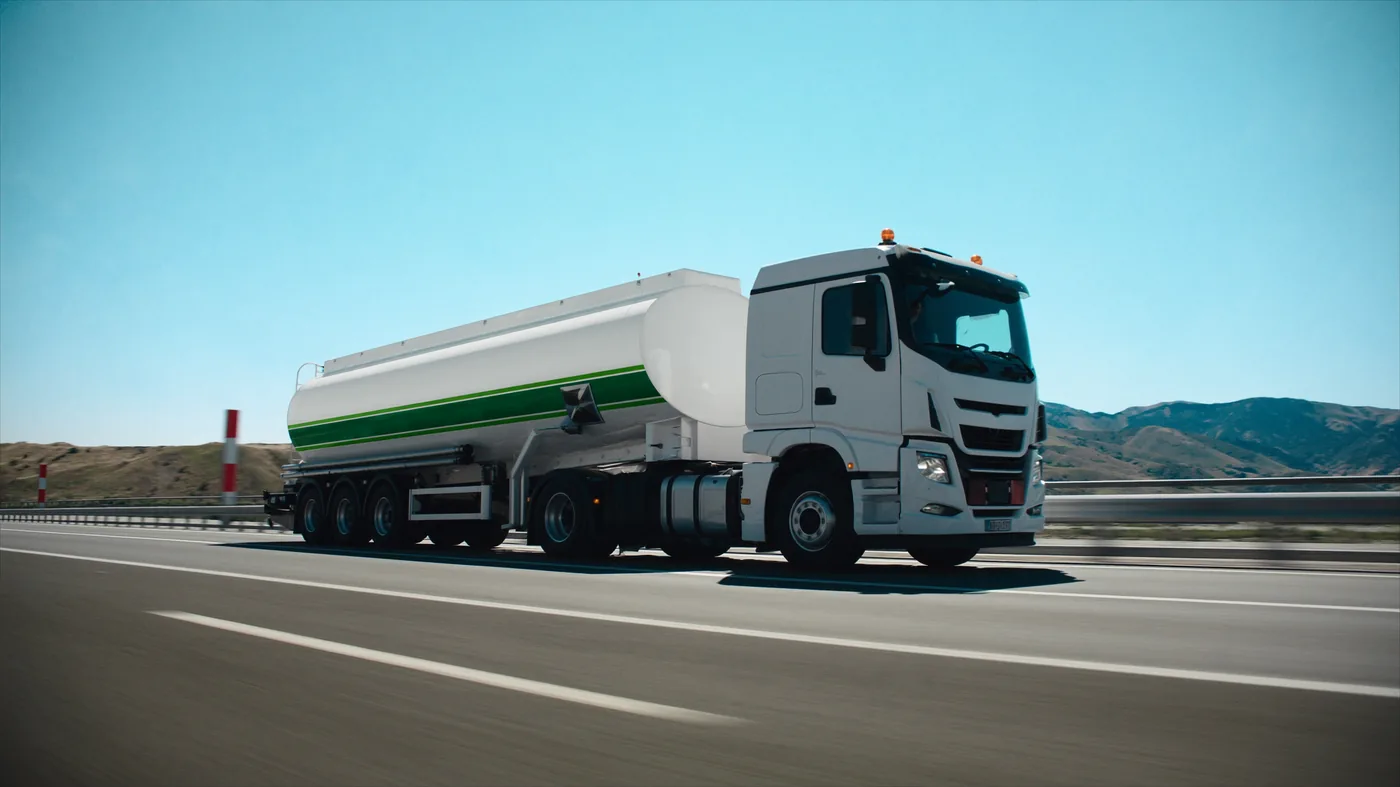
Každý rok se po evropských silnicích přepraví stovky milionů tun nebezpečných materiálů. Průmyslová rozpouštědla mířící z českého závodu do rumunské továrny, láhve se stlačeným plynem překračující polskou hranici, lepidla a barvy putující mezi distribučními centry v Německu a Maďarsku — všechny tyto zásilky podléhají dohodě ADR, mezinárodní smlouvě, která stanovuje pravidla pro přepravu nebezpečného zboží po silnici. Pro odesílatele není znalost ADR volitelná záležitost. Sankce za nedodržení předpisů sahají od pokut a zabavení nákladu až po trestní odpovědnost v případě mimořádné události.
Tento průvodce shrnuje to nejdůležitější, co potřebujete vědět: co je ADR, na jaké zboží se vztahuje, jaké dokumenty a vybavení jsou vyžadovány a co odlišuje spolehlivého dopravce ADR od rizikového.
Co je ADR a kde se uplatňuje?
ADR je zkratka pro Accord européen relatif au transport international des marchandises Dangereuses par Route — Evropskou dohodu o mezinárodní silniční přepravě nebezpečných věcí. Byla podepsána v Ženevě 30. září 1957 a vstoupila v platnost 29. ledna 1968. Dnes má přibližně 50 smluvních stran, které pokrývají prakticky všechny evropské státy a řadu sousedních zemí, jako je Maroko nebo Kazachstán.
Dohodu spravuje Evropská hospodářská komise OSN (UNECE) a je revidována ve dvouletém cyklu. ADR 2025 — aktuální vydání — nabylo účinnosti 1. ledna 2025. Přechodné období umožňovalo používat předchozí vydání (ADR 2023) do 30. června 2025; od 1. července 2025 platí výhradně ADR 2025.
ADR upravuje mezinárodní silniční přepravu nebezpečného zboží mezi smluvními stranami. Většina členských států — včetně CZ, SK, HU, PL, RO, DE, HR a BG — navíc zapracovala pravidla ADR do vnitrostátní legislativy, takže se rámec vztahuje i na vnitrostátní přepravu. V praxi to znamená, že jakmile váš kamion překročí hranici kdekoli v EU, ADR se uplatní.
9 tříd nebezpečného zboží
ADR třídí nebezpečné zboží do devíti tříd nebezpečnosti. Každá třída má vlastní barvu bezpečnostní tabule a diamantový symbol. Některé třídy se dále dělí — například třída 2 zahrnuje tři odlišné typy plynů a třída 4 tři různé profily požárního rizika. Klasifikace určuje požadavky na obaly, vybavení vozidla, tunelová omezení a dokumentaci.
| Třída | Popis | Typické příklady | Barva bezpečnostní tabule |
|---|---|---|---|
| 1 | Výbušniny | Ohňostroje, munice, generátory airbagů | Oranžová / liší se podle divize |
| 2 | Plyny (hořlavé, nehořlavé/toxické, toxické) | LPG (UN 1978), propan, chlor (UN 1017), kyslík (UN 1072) | Červená (hořlavé) / zelená (nehořlavé) / bílá (toxické) |
| 3 | Hořlavé kapaliny | Benzin UN 1203, etanol UN 1170, aceton UN 1090, nafta | Červená |
| 4 | Hořlavé tuhé látky / samovolně reagující látky / znecitlivěné výbušniny | Síra, nitrocelulóza, zápalky (bezpečnostní) | Červeno-bílé pruhy (4.1) / žlutá (4.2, 4.3) |
| 5 | Látky podporující hoření (oxidující) a organické peroxidy | Peroxid vodíku UN 2014, dusičnan amonný UN 1942 | Žlutá |
| 6 | Toxické a infekční látky | Metanol UN 1230, pesticidy, zdravotnický odpad | Bílá (lebka se zkříženými hnáty / biohazard) |
| 7 | Radioaktivní materiál | Lékařské izotopy, zdroje pro průmyslovou radiografii | Žlutá / bílá (podle kategorie) |
| 8 | Žíravé látky | Kyselina sírová UN 1830, kyselina chlorovodíková UN 1789, hydroxid sodný (louh) | Černo-bílá |
| 9 | Různé nebezpečné látky a předměty | Lithiové baterie UN 3480 / UN 3481, suchý led UN 1845, látky nebezpečné pro životní prostředí | Bílá se svislými černými pruhy |
Třída výrobku je určena jeho vlastními nebezpečnými vlastnostmi, nikoli zamýšleným účelem použití. Benzin použitý jako čisticí rozpouštědlo stále spadá do třídy 3, UN 1203. Pokud látka představuje více než jedno nebezpečí (např. hořlavá žíravá kapalina), přiděluje ADR primární třídu a doplňkové bezpečnostní značky rizika.
Obalové skupiny — co znamenají pro vaši zásilku
V rámci každé třídy je mnoha látkám přiřazena obalová skupina (PG), která odráží míru nebezpečí, jež představují:
- Obalová skupina I (PG I)— vysoké nebezpečí. Nejpřísnější požadavky na obaly, často vyžadující obaly certifikované OSN s nejvyšším stupněm odolnosti. Typický příklad: kyselina fluorovodíková, diethylether.
- Obalová skupina II (PG II)— střední nebezpečí. Nejběžnější kategorie pro průmyslové chemikálie. Patří sem většina rozpouštědel, žíravých čisticích prostředků a mnoho pesticidů.
- Obalová skupina III (PG III)— nízké nebezpečí. Mírnější (ale stále regulované) požadavky na obaly. Příkladem je motorová nafta, řada maziv a barvy s nízkou mírou nebezpečnosti.
Obalové skupiny se nevztahují na všechny třídy — plyny (třída 2), radioaktivní materiály (třída 7) a samovolně reagující látky (4.1) a organické peroxidy (5.2) mají vlastní systémy kategorizace nebezpečnosti. Obalová skupina je uvedena na obalu schváleném OSN spolu s číslem UN a maximální povolenou hrubou hmotností.
Použití nesprávné obalové skupiny — nebo levnějšího obalu určeného pro PG III tam, kde vaše látka vyžaduje PG I — patří mezi nejčastější porušení ADR zjišťovaná při silničních kontrolách. Může vést k zastavení zásilky a přenesení odpovědnosti dopravce na odesílatele.
Povinná dokumentace pro zásilky ADR
ADR vyžaduje specifickou sadu dokumentů, které musí zásilku doprovázet. Řidič je musí být schopen předložit při jakékoli silniční kontrole.
- Přepravní doklad o nebezpečném zboží (DGTD)— Může jít o standardní vícemodální formulář pro nebezpečné zboží (ve formátu IATA/IMO/OTIF), nebo o prosté písemné prohlášení. Musí obsahovat: řádný přepravní název, číslo UN, třídu, obalovou skupinu, počet a druh obalů, celkové množství, údaje o odesílateli a příjemci a telefonní číslo pro tísňové volání.
- Bezpečnostní list (SDS)— Vyžadován podle nařízení REACH (ES) č. 1907/2006. SDS musí doprovázet chemické zásilky a musí být dostupný v jazyce každé tranzitní i cílové země. Zahrnuje identifikaci nebezpečnosti, složení, opatření první pomoci, opatření pro hašení požáru a požadavky na manipulaci a skladování. (Poznámka: samotný SDS nemusí být v kabině vozidla, pokud jej příjemce již má k dispozici v aktuální verzi, nicméně přiložení SDS je doporučeným postupem.)
- Nouzové informace / písemné pokyny pro řidiče— Kapitola 5.4.3 ADR vyžaduje, aby písemné pokyny pro případ nehody ve stanoveném formátu byly v kabině řidiče ve všech jazycích tranzitních zemí. Popisují postup v případě nehody, úniku látky, požáru nebo expozice osob. Pokyny mohou být součástí přepravního dokladu, nebo poskytnuty na samostatném listu ve formátu předepsaném ADR.
U cisternových vozidel je vyžadována dodatečná dokumentace: osvědčení o cisterně (záznam o kontrole cisterny ATP nebo ADR) a u některých látek zvláštní povolení nebo dokumentace k tunelovým omezením.
Požadavky na řidiče a vozidlo
Osvědčení řidiče
Každý řidič přepravující nebezpečné zboží v množství přesahujícím limity pro omezené množství musí vlastnit osvědčení o školení ADR, vydávané po úspěšném absolvování kurzu a zkoušky. Osvědčení je nutné obnovovat každých pět let. Existují čtyři kategorie:
- Základní osvědčení— vyžadováno pro všechny řidiče ADR; pokrývá základní požadavky platné pro všechny třídy.
- Nástavbové osvědčení pro cisterny— vyžadováno pro řidiče cisternových vozidel (cisterny, flexi-tanky).
- Nástavbové osvědčení pro třídu 1— pro přepravu výbušnin.
- Nástavbové osvědčení pro třídu 7— pro přepravu radioaktivního materiálu.
Označení vozidla
— Vozidla ADR musí být opatřena specifickými vizuálními identifikátory, které umožňují záchranným složkám identifikovat nebezpečí na dálku:
- Oranžové obdélníkové tabule— hladké (bez čísel) na necisternových vozidlech; s Kemlerovým kódem (identifikačním číslem nebezpečnosti) nad číslem UN na cisternových vozidlech. Příklad:
33/1203na cisternovém vozidle s benzinem (33 = vysoce hořlavá kapalina, 1203 = číslo UN pro benzin). - Diamantové bezpečnostní značky— umístěny na každém obalu a na karoserii vozidla, vyjadřují primární a doplňkovou třídu nebezpečnosti.
- Sada povinné výbavy— povinná na palubě: hasicí přístroj(e) odpovídajícího výkonu, klín pod kola, dvě samostatně stojící výstražné tabulky, láhev na výplach očí, výstražná vesta, svítilna, ochranné rukavice a nouzová maska. Některé látky vyžadují dodatečné osobní ochranné pomůcky uvedené v písemných pokynech.
Tunelová omezení
ADR rozděluje tunely do pěti kategorií (A až E) podle míry uplatňovaného omezení:
- A— bez omezení pro nebezpečné zboží.
- B— omezení pro výbušniny a plyny s potenciálem velkého výbuchu.
- C— rozšiřuje omezení na další vysoce hořlavé látky.
- D— zahrnuje hořlavé kapaliny a tuhé látky.
- E— veškeré nebezpečné zboží přesahující omezené množství je zakázáno. Platí pro nejdelší a nejkritičtější silniční tunely v Evropě.
Kategorie tunelu je vyznačena u vjezdu do tunelu. Kategorie E na klíčové alpské nebo karpatské trase může výrazně ovlivnit volbu trasy pro zásilky ADR — s čímž zkušení dopravci počítají již ve fázi plánování.
Omezená a vyňatá množství — kdy platí plná pravidla ADR?
Ne každá lahvička s bělidlem nebo plechovka s barvou spouští plnou povinnost dodržovat ADR. Pro malá množství existují dvě důležité výjimky:
Omezené množství (LQ)
— Nebezpečné zboží spotřebitelského typu balené v malých vnitřních obalech (limity množství se liší podle látky — obvykle 0,5 l až 5 l na vnitřní nádobu) může být přepravováno v režimu výjimky pro omezené množství. Zásilky LQ jsou osvobozeny od většiny požadavků ADR — není potřeba osvědčení řidiče ADR, oranžové tabule ani bezpečnostní značky na vozidle — pokud jsou vnější obaly označeny značkou LQ (černý čtverec otočený o 45°, uvnitř prázdný) a celková hrubá hmotnost na obal nepřesahuje 30 kg.
Vyňaté množství (EQ)
Ještě menší množství — obvykle jednotky mililitrů až gramů — mohou splňovat podmínky pro vyňaté množství. Zásilky EQ jsou v podstatě osvobozeny od téměř všech požadavků ADR, pokud látka nespadá do zakázané kategorie EQ (mnoho látek tříd 1 a 7 je vyloučeno) a obal projde standardizovanou zkouškou pádem a skládáním. Obaly EQ nesou specifické označení s kódem EQ a identifikací odesílatele.
Mnoho odesílatelů se příliš spoléhá na výjimky LQ a EQ. Pokud vaše zásilka kombinuje více balení LQ, může celkový součet překročit prahovou hodnotu a vyvolat povinnost plného ADR. Kvalifikovaný bezpečnostní poradce pro přepravu nebezpečných věcí (DGSA) dokáže potvrdit, zda vaše konkrétní konfigurace výjimku splňuje.
Lithiové baterie — zvláštní případ
Lithiové baterie patří mezi nejrychleji rostoucí kategorie nákladu ADR, poháněné elektrifikací vozidel a rozšířením přenosné elektroniky. Jsou zařazeny do třídy 9 (Různé) se čtyřmi odlišnými čísly UN podle chemického složení a stavu:
- UN 3480— Lithium-iontové baterie (samostatné, nikoli v zařízení)
- UN 3481— Lithium-iontové baterie obsažené v zařízení nebo balené společně se zařízením
- UN 3090— Lithiové kovové baterie (samostatné)
- UN 3091— Lithiové kovové baterie obsažené v zařízení nebo balené společně se zařízením
ADR 2025 zavedlo zpřesněné požadavky pro přepravu lithiových baterií, včetně limitů stavu nabití (SoC) pro poškozené nebo vadné baterie, povinného používání obalů certifikovaných OSN nad určitou hodnotou wattové kapacity a specifické dokumentace pro bateriové systémy elektromobilů. Dopravci přepravující velké zásilky lithiových baterií — například bateriové balíky elektromobilů mezi výrobci (OEM) a montážními závody — potřebují specializované školení a vybavení nad rámec standardního osvědčení ADR.
Použité baterie z elektromobilů přepravované k recyklaci nebo repasi podléhají přísnějším pravidlům než nové baterie. Poškozené, vadné nebo stažené lithiové baterie (včetně rizika tepelného rozběhu) vyžadují speciální izolační obaly, individuální ochranu proti zkratu a často individuální přepravu v tepelně odolných kontejnerech. Nejedná se o standardní zásilky LQ.
Nejčastější chyby odesílatelů
Po letech zkušeností s přepravou zásilek ADR napříč CZ, SK, HU, PL, RO, DE, HR a BG se s těmito chybami setkáváme nejčastěji:
- Nesprávná klasifikace— Výrobky bývají chybně zařazeny (nebo vůbec neklasifikovány), protože se odesílatelé spoléhají na neformální popisy místo bezpečnostního listu (SDS) a čísla UN dané látky. Překlasifikace v průběhu přepravy je nákladná a může vést k odmítnutí pokračovat ze strany dopravce.
- Neaktuální nebo chybějící přepravní doklady— Přepravní doklad odkazující na údaje o látce podle ADR 2021 není v souladu s ADR 2025. Dokumenty musí odpovídat aktuálnímu vydání.
- Opomíjení doplňkových rizik— Látka může primárně spadat do třídy 3, ale zároveň nést doplňkové riziko třídy 8. Neoznačení obou je porušením předpisů.
- Přetěžování smíšených nákladů— Kombinace více látek ADR v jednom vozidle vyžaduje kontrolu tabulky segregace nákladu v kapitole 7.5 ADR. Některé kombinace jsou zakázány, jiné vyžadují fyzické oddělení.
- Nejmenovaný DGSA— Společnosti, které odesílají nebo přijímají nebezpečné zboží nad prahové množství, jsou podle směrnice EU 96/35/ES ze zákona povinny jmenovat bezpečnostního poradce pro přepravu nebezpečných věcí (DGSA). Mnoho malých a středních podniků si tuto povinnost neuvědomuje.
- Předpoklad, že vše zajistí dopravce— ADR ukládá povinnosti odesílatelům, nejen dopravcům. Pokud je zboží nesprávně deklarováno nebo zabaleno, nese odpovědnost odesílatel, i když řidič zásilku převezme.
Jak vybrat dopravce certifikovaného pro ADR
Výběr nesprávného dopravce pro zásilku ADR vystavuje vaši firmu riziku regulačních pokut, neplatnosti pojištění a poškození pověsti. Zde je, co je třeba ověřit před objednáním přepravy:
- Platná osvědčení řidičů ADR— Vyžádejte si kopie. Zkontrolujte, zda nástavbová osvědčení odpovídají nákladu (základní, cisternové, třída 1 nebo třída 7 dle potřeby) a zda neuplynula doba jejich platnosti.
- Vhodná vozidla— Ověřte, že typ vozidla odpovídá nákladu. Volně ložené kapaliny vyžadují cisternová vozidla certifikovaná pro ADR se správným kódem cisterny. Balené zboží vyžaduje standardní plachtový návěs nebo skříňové vozidlo v souladu s ADR, vybavené příslušnou palubní výbavou.
- Zajištěný DGSA— Dopravce s kvalifikovaným DGSA na místě (nebo externě smluveným) je signálem systematického dodržování předpisů, nikoli jen nahodilé administrativy.
- Zkušenosti s vaší konkrétní třídou— Plyny třídy 2 (kryogenní nebo tlakové) se provozně výrazně liší od žíravin třídy 8 nebo toxických látek třídy 6.1. Hledejte dopravce s doloženými zkušenostmi ve vaší kategorii látek.
- Kompetence v plánování tras— U přeshraničních zásilek by měl dopravce aktivně poradit ohledně kategorií tunelů, výjimek specifických pro danou zemi a sezónních omezení (např. zákazů přepravy určitých látek za horkého počasí v některých zemích).
- Pojištění— Standardní pojištění nákladu obvykle nebezpečné zboží ADR vylučuje. Ověřte, že dopravce má platnou pojistku odpovědnosti za nebezpečné zboží s adekvátním krytím pro hodnotu vašeho nákladu a případnou odpovědnost za škody na životním prostředí.
Závěr
Přeprava ADR není sama o sobě složitá — je však nemilosrdná vůči zkratkám. Systém klasifikace, požadavky na dokumentaci, pravidla balení a standardy pro řidiče a vozidla existují proto, že mimořádné události s nebezpečným zbožím na evropských silnicích si vyžádaly lidské životy a způsobily kontaminaci životního prostředí. Dodržování předpisů je tedy zároveň zákonnou povinností i nezbytnou součástí řízení rizik.
Pro firmy z chemického, automobilového, zemědělského a průmyslového sektoru napříč střední a východní Evropou odstraňuje spolupráce se zkušeným dopravcem ADR zátěž spojenou s dodržováním předpisů z bedel vašeho logistického týmu a zajišťuje, že váš náklad projede každou hranicí bez zdržení. HOPI Global Solution provozuje certifikovanou přepravu ADR napříč CZ, SK, HU, PL, RO, DE, HR a BG, s podporou vícejazyčné dokumentace a dostupným poradenstvím DGSA pro odesílatele, kteří ho potřebují.
- UNECE — Evropská dohoda o mezinárodní silniční přepravě nebezpečných věcí (ADR), včetně novel ADR 2025.unece.org/transport/dangerous-goods/adr-2025-edition
- UNECE — Stav ADR: seznam smluvních stran.unece.org/status-adr
- EUR-Lex — Směrnice Rady 96/35/ES o jmenování a odborné kvalifikaci bezpečnostních poradců pro přepravu nebezpečných věcí po silnici, železnici a vnitrozemských vodních cestách.eur-lex.europa.eu — Směrnice 96/35/ES
- EUR-Lex — Nařízení (ES) č. 1907/2006 (REACH): požadavky na bezpečnostní listy.eur-lex.europa.eu — Nařízení REACH
- ECHA (Evropská agentura pro chemické látky) — Pokyny pro sestavování bezpečnostních listů, verze 4.0, 2021.echa.europa.eu — SDS guidance
- UNECE — ADR 2025, část 2 (Klasifikace) a část 3 (Seznam nebezpečných věcí), tabulky A a B. Dostupné v konsolidovaném vydání publikace ADR od UNECE.